اقوام متحدہ امن مشنز کا بجٹ کم کرنے کی بجائے اصلاحات کی جائیں: پاکستان
اقوام متحدہ امن مشنز کا بجٹ کم کرنے کی بجائے اصلاحات کی جائیں: پاکستان
اقوام متحدہ کے امن مشنز کو درپیش دباؤ کے تناظر میں پاکستان نے زور دیا ہے کہ عالمی ادارے کی یہ اہم سرگرمی عالمی سلامتی کے لیے ایک ناگزیر اور کم لاگت مؤثر ذریعہ ہے، جسے کمزور کرنے کے بجائے ان کی حکمت عملی میں اصلاحات اور معاونت جاری رکھی جانی چاہیے، نہ کہ ان کے لیے مالی وسائل میں کٹوتی کی جائے۔
انڈپینڈنٹ اردو کا واٹس ایپ گروپ یہاں جوائن کریں.
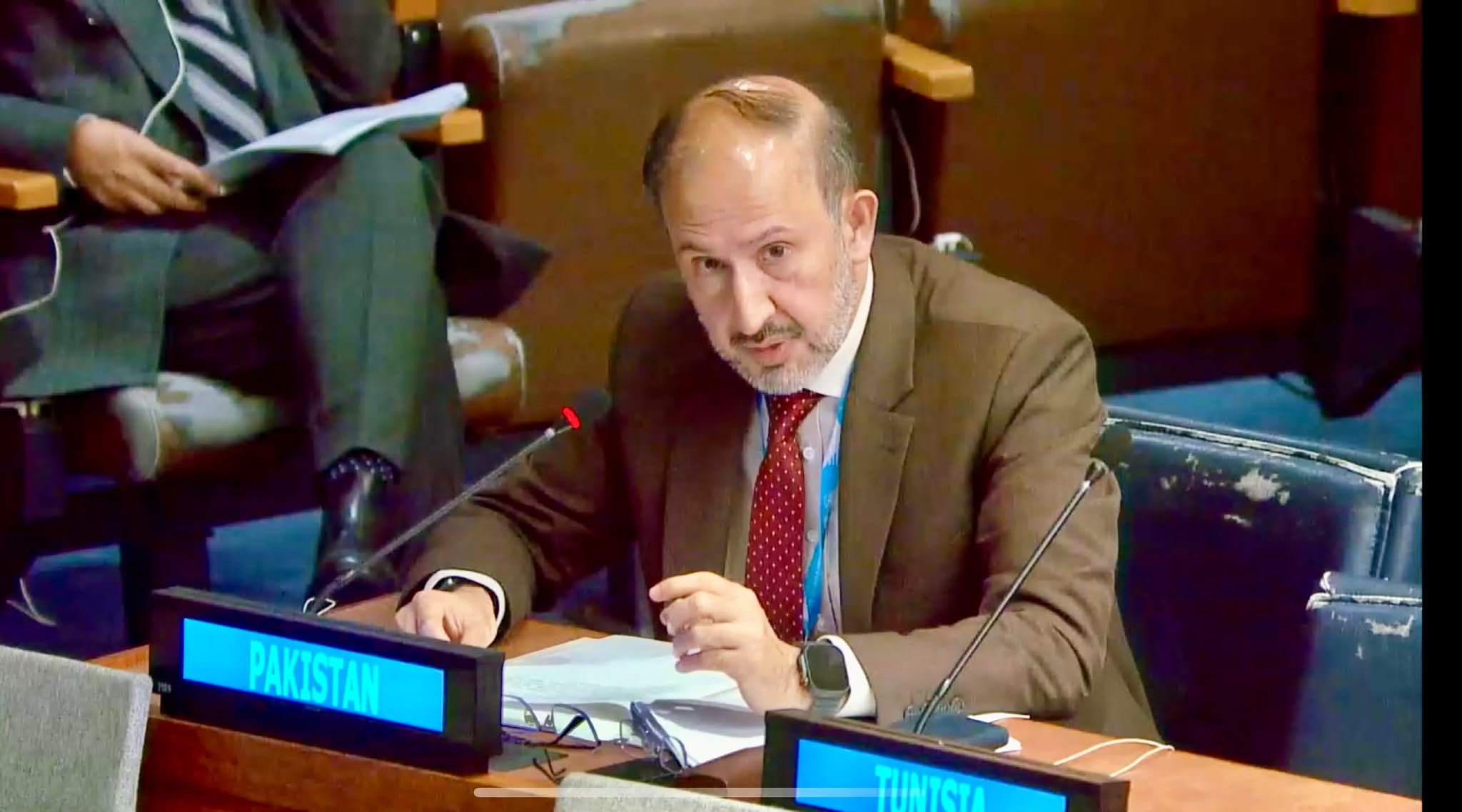
اقوام متحدہ میں پاکستان کے مستقل مندوب سید حیدر شاہ نے جمعے کو جنرل اسمبلی کی چوتھی کمیٹی (خصوصی سیاسی اور غیر نوآبادیاتی) کو بتایا کہ ’بین الاقوامی امن و سکیورٹی برقرار رکھنے کے لیے امن کا قیام ناگزیر، موثر اور کم خرچ ذریعہ ہے۔‘
پاکستانی مندوب نے کہا کہ ’اگرچہ اصلاحات کی ضرورت ہے، لیکن اقوام متحدہ کی آپریشنل صلاحیت کو برقرار رکھنے کے لیے اسے ایک سٹریٹجک مقصد کے ساتھ آگے بڑھانا چاہیے۔‘
انہوں نے مزید کہا کہ جب بھی مستقبل میں جنگ بندی، سیاسی تصفیے یا ابھرتے ہوئے بحرانوں کا تقاضا ہو تو اقوام متحدہ کو ایک قابل اعتماد بین الاقوامی موجودگی تعینات کرنے کی صلاحیت برقرار رکھنی چاہیے۔
اپنے ریمارکس میں حیدر شاہ نے فوج فراہم کرنے والے ایک بڑے ملک اور میزبان ریاست کے طور پر، اقوام متحدہ کے امن مشنز کے ساتھ پاکستان کے دیرینہ عزم کا اعادہ کیا۔
Statement by Ambassador Syed Haider Shah, Permanent Representative of Pakistan to the UN, At the Fourth Committee Agenda “Comprehensive review of the whole question of peacekeeping operations in all their aspects,” (6 Nov 2026) **** Mr. Chair, We thank the USGs of DPO, DOS and DMSPC for their briefings and for their continued support to United Nations peacekeeping. Pakistan brings to this debate the perspective of both a major troop-contributing country and a host State. For over six decades, more than 170,000 Pakistani blue helmets have served under the UN flag, and 183 have made the ultimate sacrifice. Pakistan also hosts United Nations Military Observer Group in India and Pakistan (UNMOGIP), mandated to observe the ceasefire in Jammu and Kashmir. We have also contributed actively to peacekeeping policy, including by leading several Security Council initiatives aimed at strengthening this instrument. Chair, Today, peacekeeping is under real pressure. No new mission has been established since 2014; several major operations have closed or drawn down, most recently MINURSO and UNIFIL; and political and financial constraints have grown more acute. And yet the relevance of peacekeeping remains as crucial as ever. Peacekeeping has always moved through cycles of expansion, adaptation and retrenchment. The recent resort to regional, coalitions of the willing and other ad hoc operations itself underscores the continuing need for peacekeeping on the ground. What is needed is the political will in the Security Council to use this important instrument when circumstances require. We also know that peacekeeping has worked, and has proven cost-effective. From Namibia and Sierra Leone to Liberia, Côte d’Ivoire and Timor-Leste, UN operations have helped countries move from conflict towards stability. Pakistani peacekeepers have proudly served in many of these missions. Mr. Chair, There is broad realization that peacekeeping must adapt to changing conflict dynamics, operational demands and financial realities. In this context, the Secretary-General’s review provides an important opportunity to reform and strengthen peacekeeping. Pakistan supports reform, to make missions more effective, cost-efficient, technologically capable and responsive to changing conflict environments. Allow me to make six points in this regard, First, we welcome the Secretary-General review report’s emphasis on peacemaking and the primacy of politics. Political solutions must remain the ultimate objective of peacekeeping missions. But political processes and peacekeeping should not be treated as mutually exclusive. Peacekeeping can help stabilize the political environment by deterring escalation, protecting civilians, sustaining ceasefires and preserving space for negotiations. The two should reinforce each other. Second, Pakistan supports clearer prioritization and more focused mandates. But focused mandates should mean better and efficient peacekeeping. Political objectives should determine mandates; mandates should determine capabilities; and capabilities should be matched with adequate resources. There is no one-size-fits-all model. We should not begin with a financial ceiling and then shrink mandates and capabilities to fit it. At the same time, missions must reduce duplication, improve performance and accountability, streamline processes and use technology and regional partnerships more effectively. The argument about rationalization should be used to further the objectives of peace. It should not be instrumentalized against the very presence of United Nations. Where longstanding disputes remained unresolved, the priority should be a renewed push for their peaceful and political settlement in accordance with the UN Charter and relevant Security Council resolutions. Arguing against United Nations presence even implicitly, is at cross purposes with the very objectives of the UN Charter. Success lies in resolving the disputes, by enabling a stronger and more effective UN peacekeeping role rather than attempting to scuttle this role. Third, reform must preserve the comparative advantages that make UN peacekeeping unique: universal legitimacy; assessed and predictable financing; established command, logistics and accountability systems; and the ability to generate trained troops, police and specialized capabilities from across the membership. These advantages took decades to build, but they can also be lost. Predictable financing is already under strain. If missions continue to contract, TCCs and PCCs cannot indefinitely maintain troops, equipment, standby arrangements and specialized capabilities for uncertain future deployment. Once lost, these capacities cannot simply be recreated when the next crisis emerges. Efficiency and cost reduction must therefore strengthen peacekeeping, not hollow out the capabilities that give UN peacekeeping its unique value. Fourth, we must prepare today for the capabilities peacekeeping will need tomorrow. We welcome the Secretary-General’s proposed study of future military and police requirements. It should be practical, forward-looking and undertaken in close consultation with TCCs and PCCs, and should inform future force generation, training, equipment and pledges. Fifth, the safety and security of peacekeepers, and accountability for crimes against them, remain essential. Security Council resolution 2823, led by Pakistan and Denmark, was adopted unanimously and co-sponsored by a record 153 Member States. We welcome the Secretary-General’s subsequent report and the designation of ASG Elizabeth Spehar as Senior Focal Point. The focus must now be on implementation: stronger investigations and prosecutions, better case tracking, support to national capacities and sustained attention to unresolved cases. Sixth, peacekeeping must remain a genuinely collective United Nations instrument. This year, C34 again achieved consensus. Together with the broad support demonstrated for resolution 2823, this shows that despite geopolitical divisions, the wider UN membership remains committed to peacekeeping. C34 remains the universal intergovernmental forum where troop and police contributors, financial contributors, host States and the wider membership collectively shape peacekeeping policy. That overwhelming support should matter. Peacekeeping should not become a casualty of geopolitical divisions. It remains one of the few instruments through which decisions taken in New York translate into presence, credibility and influence on the ground. Mr. Chair, This is therefore a moment for reform, but reform with strategic purpose. We should build on peacekeeping’s strengths, not weaken them. When the next ceasefire, political settlement or crisis requires a credible international presence, the United Nations must still have the capacity to respond effectively. Peacekeeping remains a vital, effective and cost efficient means for ensuring peace and security. We should ensure that the current SG review further improves its effectiveness. We will need this instrument again. We should ensure that it is ready when we do. I thank you. *********
— Permanent Mission of Pakistan to the UN (@PakistanUN_NY) November 6, 2026
انہوں نے نشاندہی کی کہ ایک لاکھ 70 ہزار سے زائد پاکستانی امن اہلکاروں نے اقوام متحدہ کے جھنڈے تلے خدمات انجام دی ہیں، جن میں سے 183 نے اپنی جانوں کا نذرانہ پیش کیا۔ پاکستان، انڈیا اور پاکستان میں اقوام متحدہ کے فوجی مبصر گروپ (یو این ایم او جی آئی پی) کا میزبان ہے، جو متنازع جموں و کشمیر میں لائن آف کنٹرول کی نگرانی کرتا ہے۔
امن کارروائیوں کو بڑھتے ہوئے سیاسی، آپریشنل اور مالی دباؤ کا سامنا ہونے کے پیش نظر حیدر شاہ نے اس بات پر زور دیا کہ اس کی اہمیت میں کوئی کمی نہیں آئی ہے۔ انہوں نے کہا کہ علاقائی انتظامات اور عارضی آپریشنز کی جانب بڑھتا ہوا رجحان، زمینی سطح پر اقوام متحدہ کے قابل اعتماد امن مشنز کی موجودگی کی مسلسل ضرورت کو اجاگر کرتا ہے۔
پاکستانی مندوب نے کہا: ’ضرورت اس امر کی ہے کہ جب حالات تقاضا کریں تو سکیورٹی کونسل میں اس اہم ذریعے کو استعمال کرنے کا سیاسی عزم موجود ہو۔‘
مزید پڑھ
اس سیکشن میں متعلقہ حوالہ پوائنٹس شامل ہیں (Related Nodes field)
اس سلسلے میں، پاکستانی مندوب نے سیاسی حل کی اہمیت کو بڑھانے، مناسب وسائل سے ہم آہنگ واضح مینڈیٹ کو یقینی بنانے، امن کارروائیوں کی مخصوص ادارہ جاتی خوبیوں کو برقرار رکھنے، مستقبل کی فوجی اور پولیس ضروریات کے لیے تیاری کرنے، امن اہلکاروں کی حفاظت اور سکیورٹی مضبوط بنانے اور ان کے خلاف جرائم پر احتساب اور امن کارروائیوں کو اقوام متحدہ کے ایک حقیقی اجتماعی ذریعے کے طور پر برقرار رکھنے کا مطالبہ کیا۔
قبل ازیں اقوام متحدہ کے سیاسی، امن سازی کے امور اور امن کارروائیوں کے محکموں کے اسسٹنٹ سیکریٹری جنرل، محمد خالد خیاری نے بحث کا آغاز کرتے ہوئے کہا: ’ہر روز، ہمارے امن دستے اپنے گھروں سے دور اور انتہائی ذاتی خطرے کے باوجود بات چیت کو زندہ رکھتے ہیں اور شہریوں اور تشدد کے درمیان ڈھال بن کر کھڑے ہوتے ہیں۔ انہوں نے ہم پر یقین قائم رکھا ہے۔ آئیے ہم بھی ان پر یقین قائم رکھیں۔‘
اس بات پر زور دیتے ہوئے کہ شہریوں کے تحفظ کو یقینی بنانے کے لیے امن مشنز کو مناسب وسائل فراہم کیے جانے چاہییں، ان کا کہنا تھا کہ ریاستوں سے اپنا حصہ مکمل طور پر ادا کرنے کا مطالبہ کیا۔ مشنز اپنے اخراجات میں 15 فیصد کمی کرنے پر مجبور ہوئے، جس کے نتیجے میں 13,296 فوجی اور 1,212 پولیس اہلکار واپس بھیجے گئے۔
محمد خالد خیاری نے کہا کہ اگرچہ امن کارروائیوں کی وسیع پیمانے پر حمایت موجود ہے، لیکن ’مسلسل سیاسی حمایت حاصل کرنا مشکل ہے‘۔
انہوں نے مزید کہا کہ ان چیلنجوں کے باوجود، اقوام متحدہ کے امن مشنز کمزوروں کی حفاظت اور قیام امن کا دفاع جاری رکھے ہوئے ہیں۔